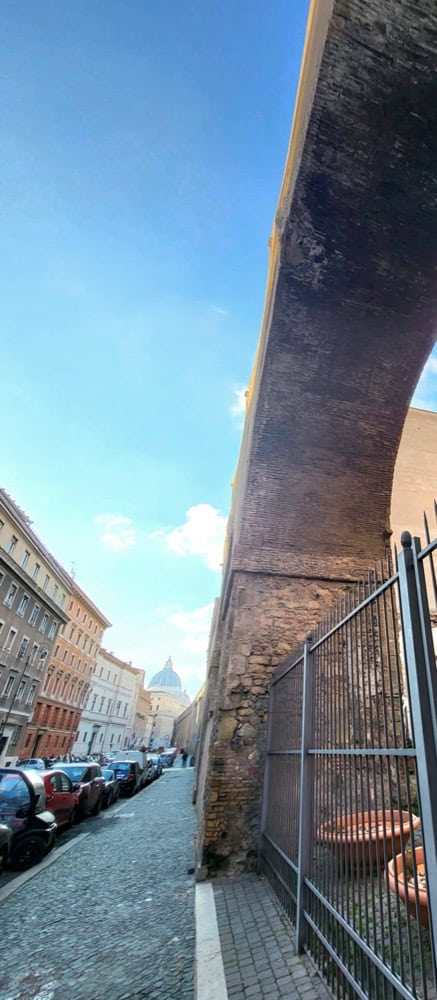
In furtherance of research on the traditional Gregorian Mass, I have been studying the life of John Gaetan Orsini, eldest son of Prince Matthew. The Prince told Saint Francis that his son wished to be a Franciscan. The saint inquired about John Gaetan’s age. He was about nine and Francis suggested that the issue be deferred. He then he turned to a new importuner, only to swivel around and say: “Your son will never be a friar.” Prince Orsini was stunned. What had young John Gaetan done? The new order’s insistence on poverty was causing issues with bishop nervous about these “vagrants” in their diocese. John Gaetan would be their protector with access to the Pope and would become a Cardinal. So, from an early age, John Gaetan became a member of a very small Papal household — 15 – 18 men. He never did impress the Cardinals, as he was no scholar, no accomplished diplomat and only came alive when questioned about lumber, bricks, tiles and lime mortar. In Rome, John Gaetan persuaded his younger brothers to contribute to roof / wall / structural and other repairs of crumbling churches, especially neglected during the terrible times of the 9th and 10th centuries. In this he was thorough, down to new vestments sewn by local nuns and new liturgical books copied by Franciscan friars. For the next 45 years John Gaetan lived and travelled with a succession of Popes, reciting the hours within the Papal Household, whether in the Lateran, the Roman countryside during the summer and on trips to France, Italy and Germany, as a generally overlooked minor cleric — though Louis IX did remark that the prince was a trusted emissary by the ruling houses of France, England and Germany. That reputation among European rulers was crucial in the last years of his life, as John Gaetan negotiated with rival powers in France, Germany, Italy during increasingly difficult Conclaves to elect new Popes.
At age 52, other Cardinals persuaded him to submit his name in a conclave. He could not be Pope, as he confessed he had never been a deacon, or a priest or a bishop. But foreign acceptability was much needed and John Gaetan was ordained a deacon, then priest, then a bishop on two days before before Christmas and he was crowned Pope immediately thereafter, as Nicholas III. One hundred years later, this personally poor man, who never accepted any money for his access to a succession of Popes, was libeled by Dante, in the Inferno, as a nepotist, and the charge has stuck. Actually, the College of Cardinals was down to seven and five of his new College of Cardinals were from the mendicant orders, while the rest were elderly Roman relatives acceptable to eagle-eyed foreign powers.
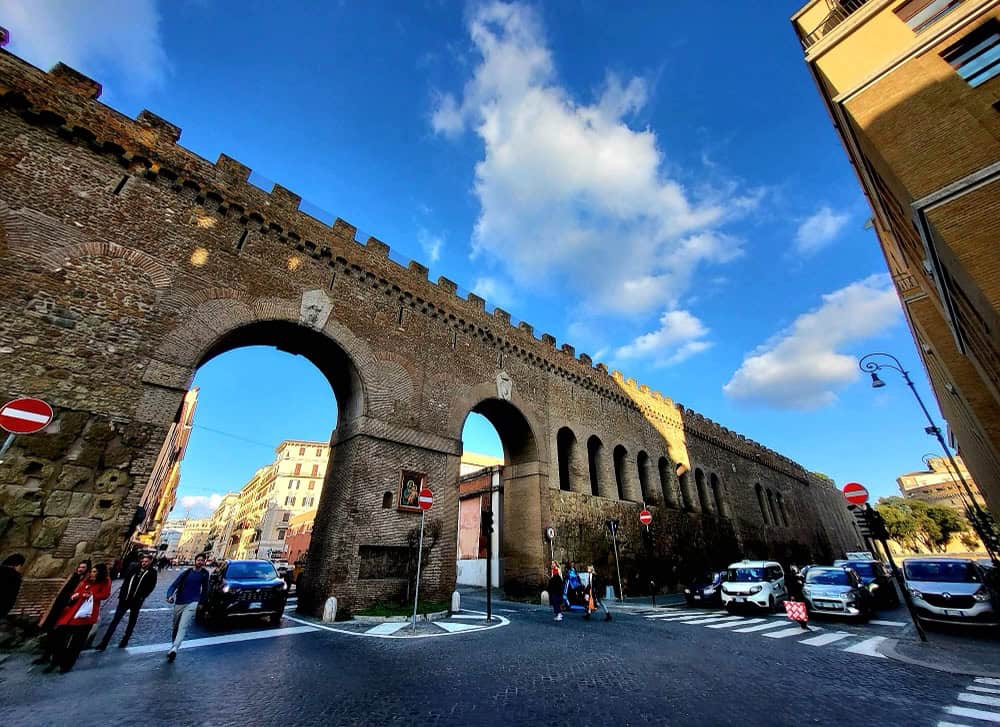
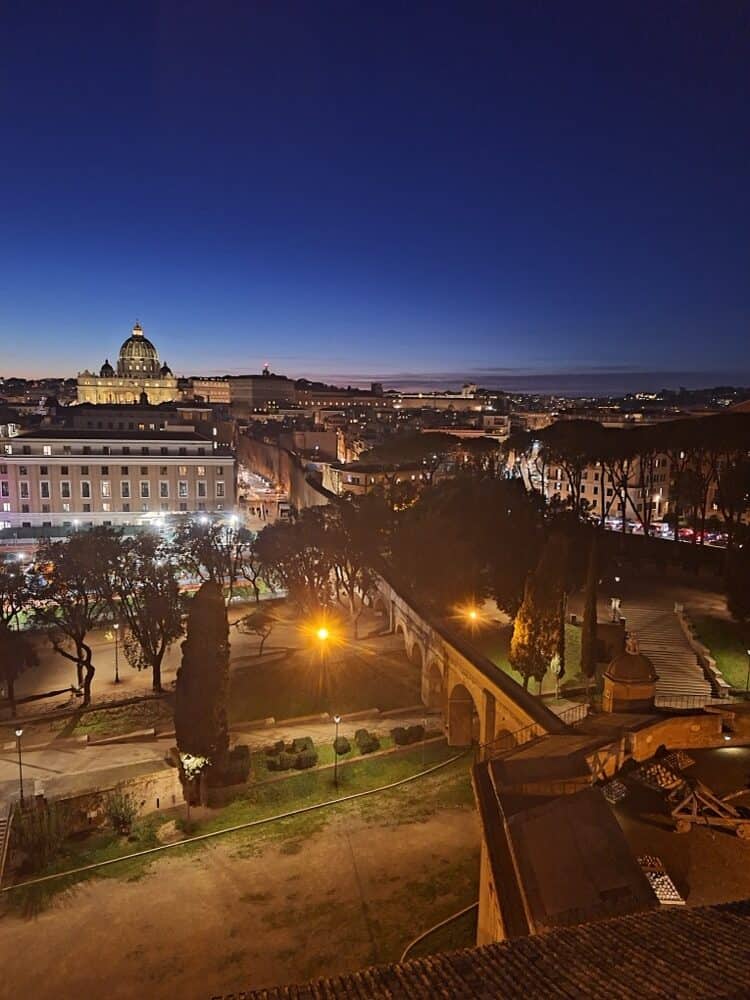
Though John Gaetan lived less than four more years, he stabilized the diplomatic situation between Germany and France, by finding a new Emperor within the Habsburg family, and he saved Christian Hungary from the Mongols. Of the 65 Churches he had already rebuilt, his election as Pope added more than 50 in need of repair and permitted him to replace old liturgical books in these with new volumes, again copied by Franciscan scribes. Ultimately, he left over 100 letters guiding the Franciscan order and a Papal Constitution, Exiit qui seminat. These documents were closely studied by the Dominicans and Augustinians who were founded in the same years and had comparable chalenges. Lastly, John Gaetan began the huge task of rebuilding a crumbling 800 year old St Peters and building a new Papal home / office on higher ground of Vatican Hill — now known as the Belvedere.
Just shy of 300 years later, the Council of Trent asked Pope Saint Pius V for an authoritative Mass and in his 1570 reply, Quo Primum, Pius offered the Franciscan-Gregorian liturgy John Gaetan had installed in his 110 repaired Roman churches, that were used by the Franciscans, the Dominicans and Augustinians throughout Europe. It may be time to focus on this deliberately obscure would-be friar whose life of personal sacrifice, service and continuous prayer laid the foundations of a renewed Church.
Richard Dana Calderon
Pictures by Alessandra Antonucci